
Heat collection
Capture heat close to compute, power conversion, batteries and actuators.
Technology / Heat
An organism-wide heat-collection, transport, rejection and monitoring architecture for safe sustained operation.
Engineering candidate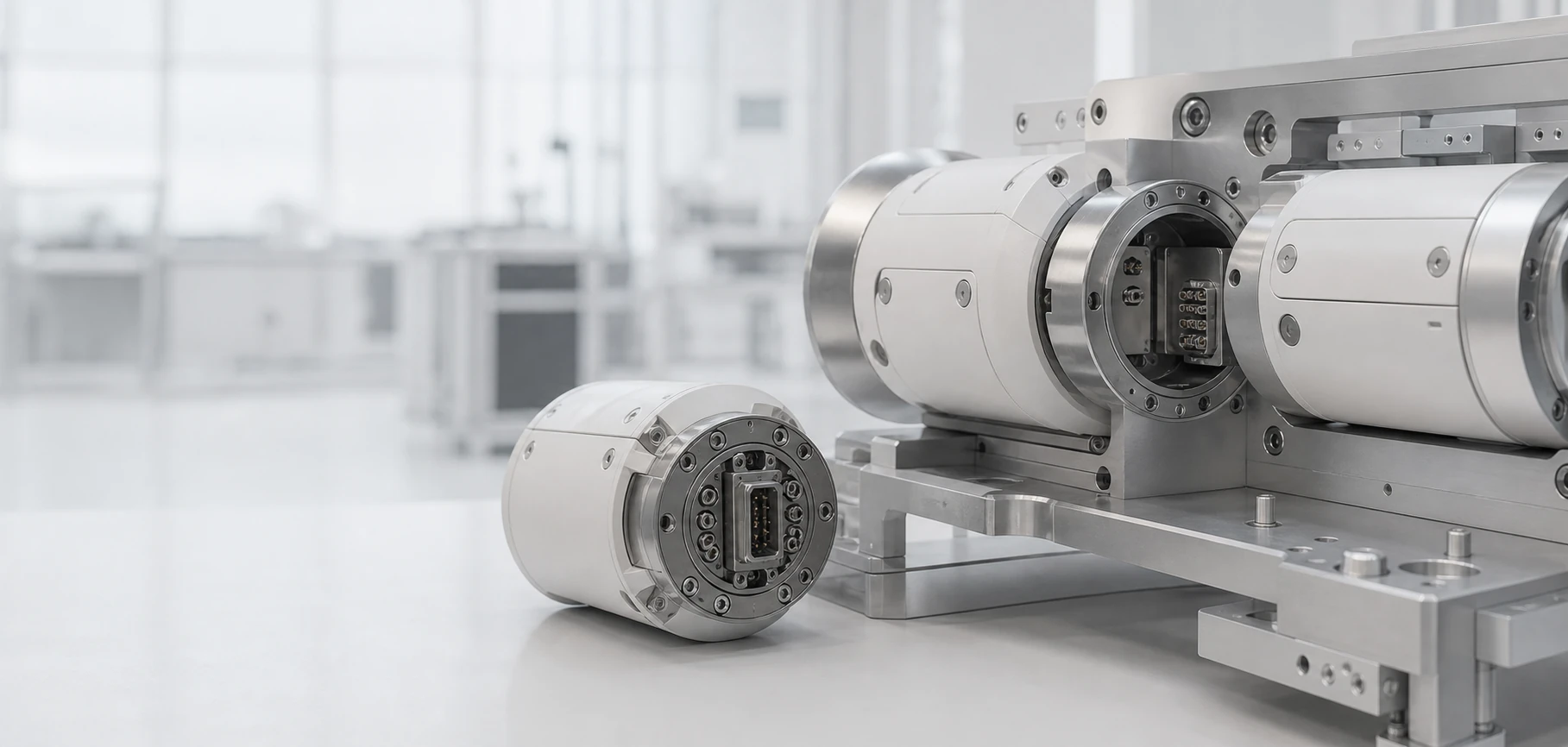
Leeloo Digital / Homo sapiens technologicusTechnology / Heat
01 / Technical scope
Every watt used by computation, conversion and movement becomes heat that must be moved without unsafe surfaces or degraded components.
The thermal architecture combines local heat collection, conductive paths, fluid loops, pumps, manifolds, bypasses, heat exchangers, controlled airflow and surface transfer. Different temperature domains may require separate loops or staged exchange.
Thermal design is coupled to activity, clothing, ambient conditions, skin temperature, acoustic limits, fluid routing, power and service access. Peak rejection is not the only requirement; quiet low-load regulation and safe heat soak after exertion also matter.
Distributed temperature and flow sensing supports control, leak or blockage detection and predictive maintenance. Degraded modes must reduce nonessential demand before temperatures threaten people, surfaces, batteries, compute or actuation.
Coolant selection, flow rates, exchanger geometry, routing and temperature limits remain proprietary engineering detail.
02 / Infrastructure systems
Capture heat close to compute, power conversion, batteries and actuators.
Move heat through monitored, isolated and serviceable paths.
Use surface and airflow interfaces without unsafe hotspots, noise or condensation.
Coordinate thermal demand with activity, power state and environmental conditions.
Reduce loads and preserve essential function when cooling capacity is impaired.
Engineering cases combine internal heat generation with ambient temperature, clothing, contact and available airflow.
Regional budgets identify local collection needs and shared rejection limits before detailed components are selected.
Manifolds, valves, sensors and bypasses define which regions can remain operational during a local blockage, leak or service event.
Wet systems remain separated from sensitive electronics by containment, detection and drainage appropriate to consequence.
Simulation addresses steady and transient cases, including heat soak after high demand.
Rigs verify flow, pressure loss, pump behavior, exchanger performance, surface temperature, acoustics and degraded control.
Heat sources, transport functions, rejection regions and monitoring duties are assigned.
Develop regional loads, routes, interfaces and candidate rejection concepts.
Evaluate transient behavior, pressure loss, containment and controls.
Verify representative compute, power, actuator and surface loads together.