
Storage domains
Distribute usable energy without creating one uncontrolled point of mass or failure.
Technology / Energy
Distributed energy storage, conversion, protection and monitoring for continuous body operation and transient movement demand.
Research challenge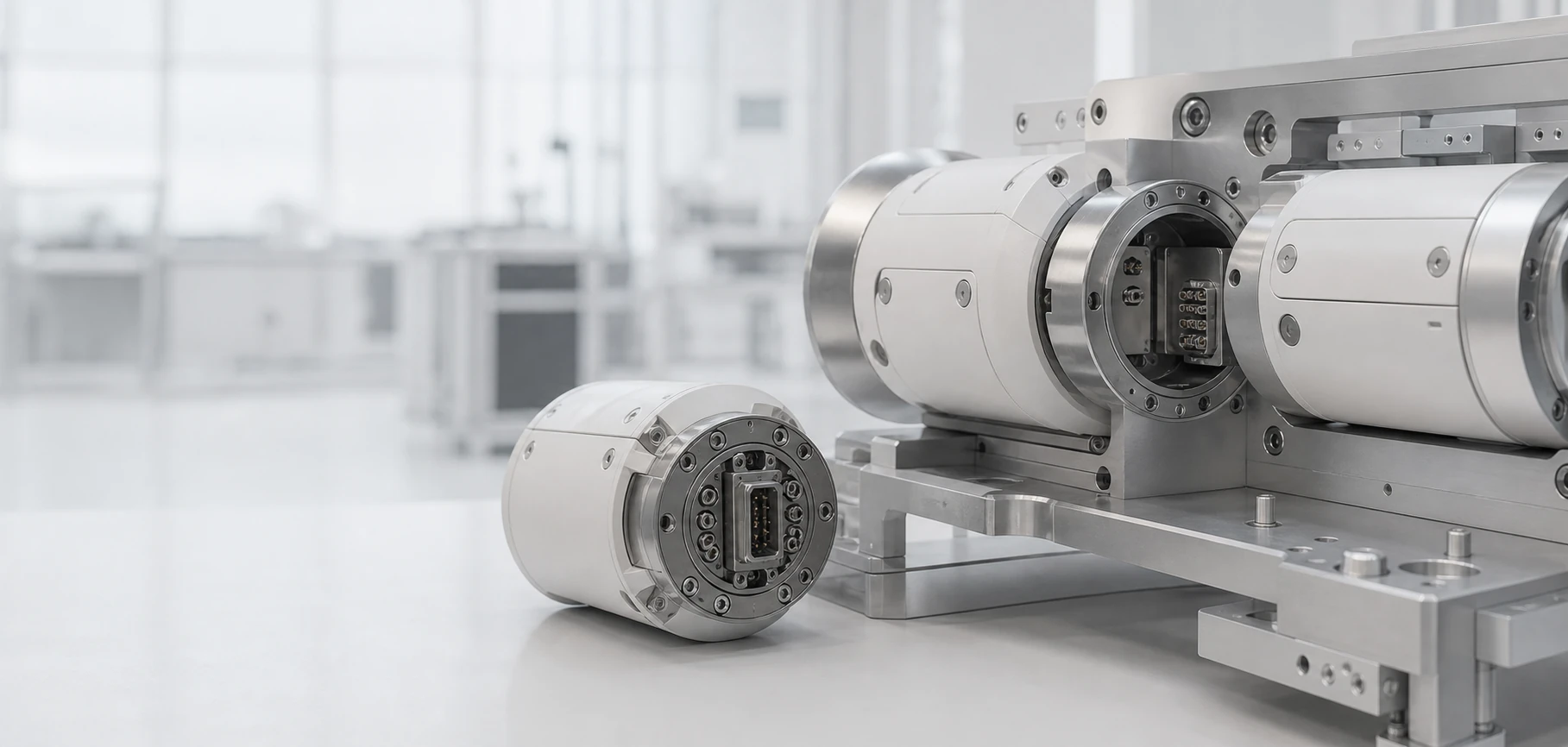
Leeloo Digital / Homo sapiens technologicusTechnology / Energy
01 / Technical scope
Power architecture must balance mass, runtime, peak demand, heat, fault consequence and maintainability inside a human-scale body.
The power system separates storage, charging, high-current actuation, protected low-voltage electronics, conversion, emergency reserves, isolation and condition monitoring. Distributed modules are considered where they improve packaging, balance, redundancy and service.
Compute and sensing require stable continuous supply while movement creates short high-demand events. Energy planning therefore uses representative duty cycles rather than one headline runtime or peak-power number.
Fault containment is essential because high energy is located near people, soft surfaces, fluids and identity-critical systems. The architecture requires regional isolation, thermal monitoring, protected routing and controlled shutdown or reduced-function states.
Cell chemistry, pack geometry, voltage levels, capacity, cooling and protection thresholds remain confidential candidate engineering decisions.
02 / Infrastructure systems
Distribute usable energy without creating one uncontrolled point of mass or failure.
Provide stable supplies appropriate to actuation, compute, sensing, communications and safety systems.
Detect and isolate electrical, thermal and mechanical battery faults by region.
Support authenticated charging, condition checks, thermal control and safe interruption.
Give body control and cognition an accurate estimate of demand, reserve and degraded capability.
Standing, walking, lifting, fine manipulation, communication, rest and compute loads create different demand profiles.
Preliminary budgets combine these cases with conversion losses, reserve policy, aging and environmental temperature.
High-current routes, low-voltage electronics and emergency supplies use different protection and isolation strategies.
Critical sensing, communication and safe-state functions retain bounded supply when higher-demand systems are disconnected.
Testing covers capacity, pulse demand, conversion efficiency, thermal behavior, aging and monitoring accuracy.
Fault studies address damage, short circuits, cooling loss, charging errors, water exposure and safe service isolation.
Storage, distribution, conversion, charging, reserve and isolation functions are allocated.
Develop duty cycles, regional budgets, routes and candidate storage envelopes.
Evaluate candidate components, protection and fault behavior.
Verify representative storage, distribution and load systems together.