
Observe
Expose condition and trend data without dismantling healthy systems.
Technology / Maintenance
The access, isolation, diagnostics, configuration control and verification required to maintain one body over unequal component lifetimes.
Engineering candidate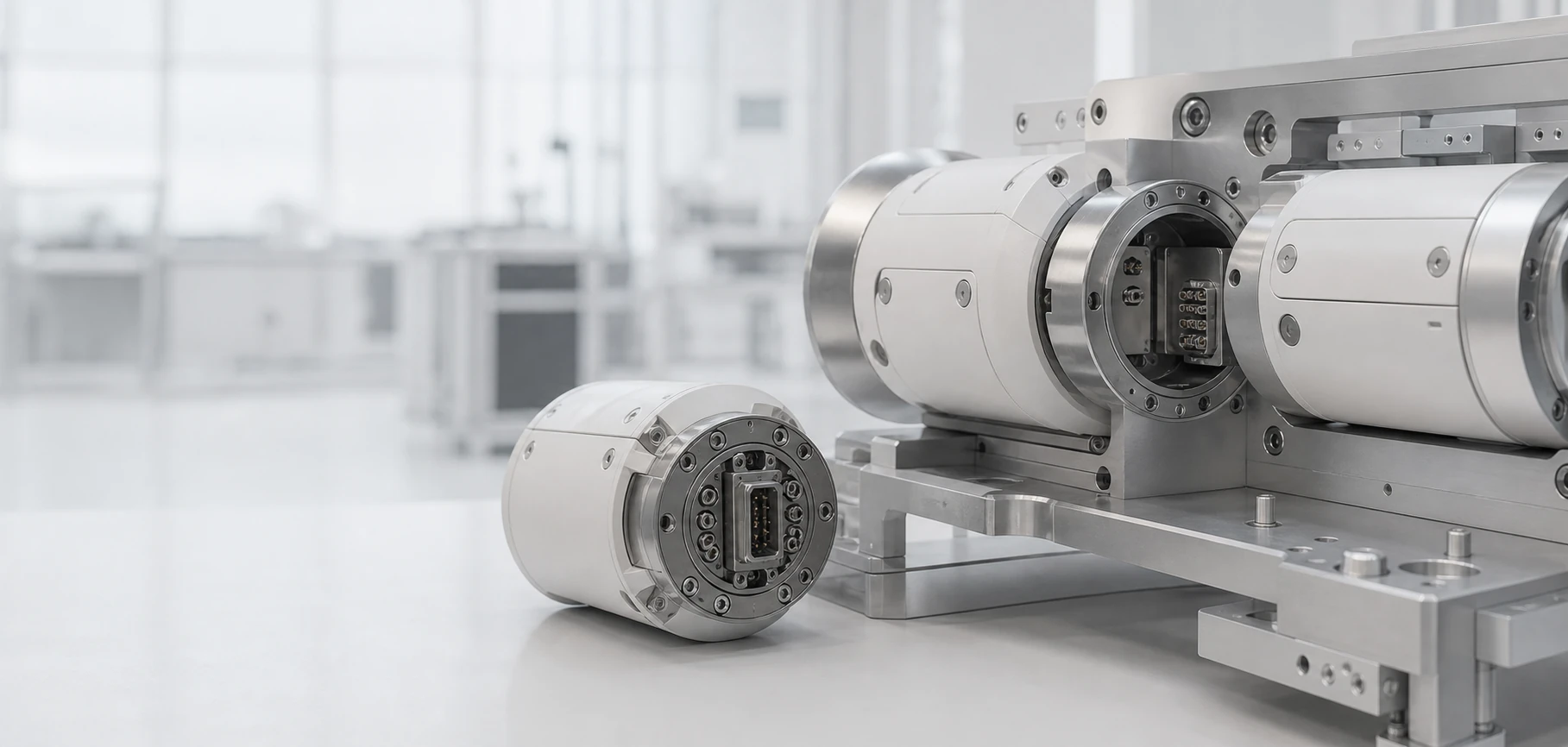
Leeloo Digital / Homo sapiens technologicusTechnology / Maintenance
01 / Technical scope
Maintenance is a normal operational state of a long-lived technological individual, not an exception added after design.
Serviceability begins with access volume, lifting and support points, safe isolation, connector design, contamination control, module identity, diagnostics and the ability to inspect without unnecessary disassembly.
The body architecture defines normal, degraded, safe, service and recovery states. A service procedure must identify which functions remain available, which personal data are exposed and what evidence permits return to ordinary operation.
Condition monitoring uses temperature, current, pressure, flow, vibration, strain, resistance, performance and historical trends to detect wear before failure. The individual configuration record identifies installed revisions, previous interventions and required calibration.
Detailed access geometry, tooling, procedures, thresholds and diagnostic algorithms remain controlled lifecycle information.
02 / Infrastructure systems
Expose condition and trend data without dismantling healthy systems.
Remove relevant energy, pressure, motion and control authority before access.
Hold the body or region safely and preserve alignment during intervention.
Exchange controlled assemblies and restore their physical and informational references.
Require inspection, test, configuration update and accountable return-to-service approval.
Preliminary CAD includes tool approach, removal paths, support fixtures, connector reach and contamination boundaries.
A component that fits but cannot be inspected or replaced without unrelated disassembly is treated as a packaging conflict.
Design records describe permitted configurations; the individual record describes actual installed hardware, firmware, calibration and service history.
Diagnostics and future upgrades use this record to avoid assumptions about what the body contains.
Post-maintenance checks confirm physical installation, isolation removal, calibration, network identity, safety and expected capability.
High-consequence interventions require independent review rather than self-declaration by the person or system that performed the work.
Inspection, isolation, replacement, records and return-to-service duties are defined.
Reserve service paths and condition-monitoring interfaces in preliminary CAD and BOMs.
Evaluate representative maintenance tasks, tooling and human-error controls.
Verify replacement, calibration and release on bounded integrated assemblies.